
Discover the Ultimate Solution
for Better Quality Sleep
Stop the frustration with falling asleep and get a good night's rest,
get our recommended All Natural Sleep Formula today.
Discover the
Ultimate Solution
for Better Sleep
Stop the frustration with falling asleep and get a good night's rest.
Welcome to the Future of Sleep
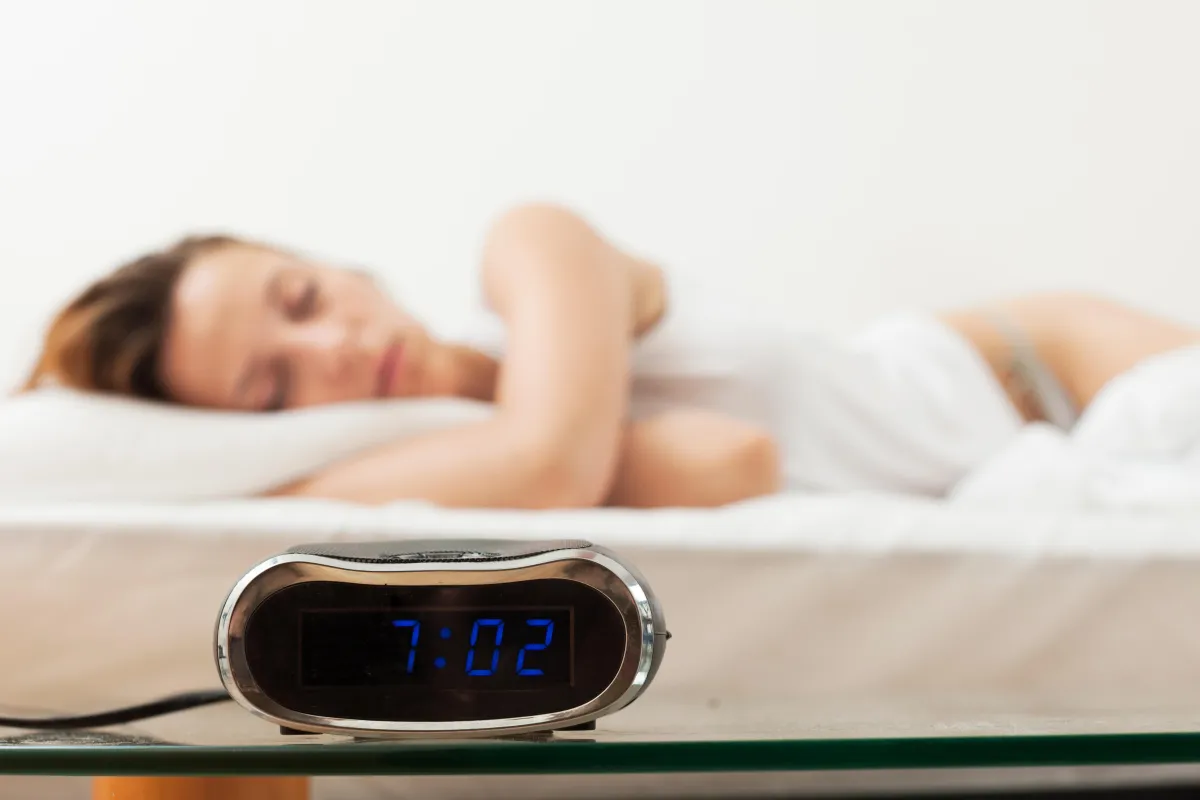
Are you tired of restless nights and waking up feeling groggy? It's time to take control of your sleep health like never before. Introducing our groundbreaking Biophotonic Scanner, a cutting-edge technology that provides unparalleled insights into your body's sleep patterns, allowing you to optimize your sleep for peak performance and vitality.
Struggling with Sleep?
You’re Not Alone
49% of Americans Suffer with Sleep Issues
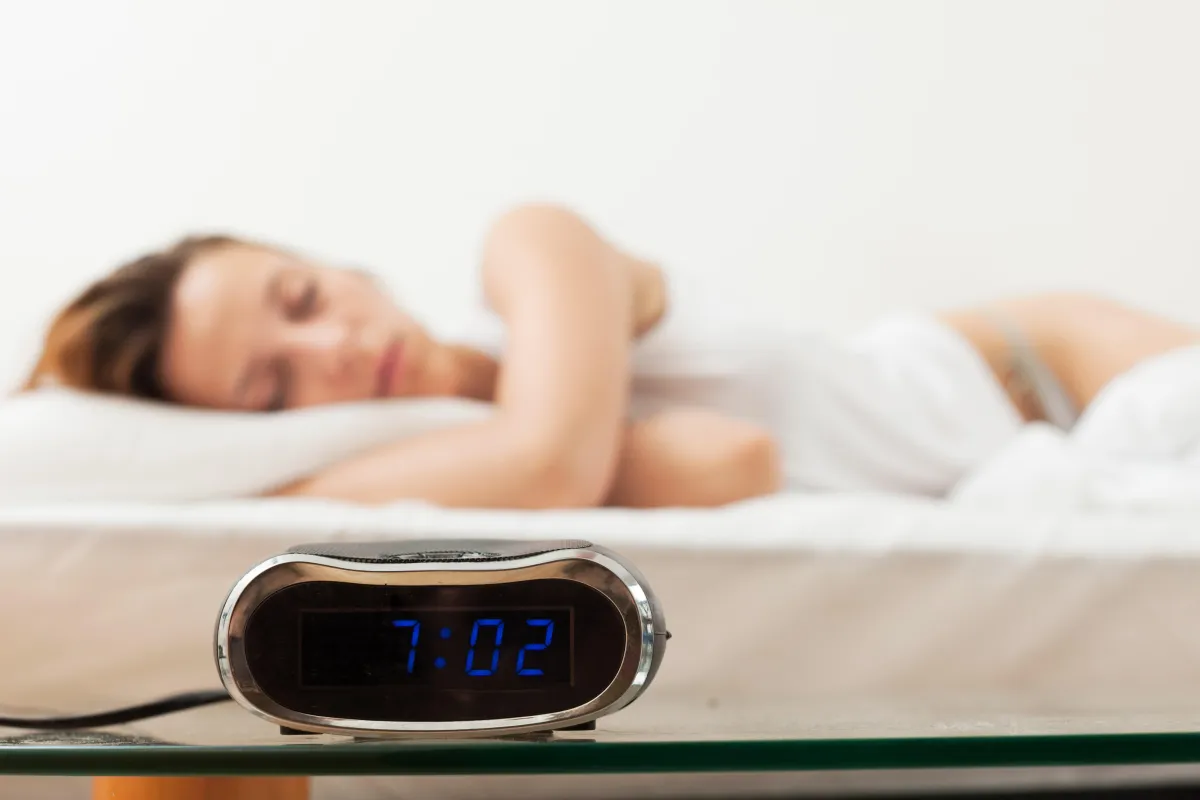
The Hidden Dangers of Poor Sleep: From Cognitive Decline to Weight Gain
Impaired Cognitive Function: Lack of sleep can lead to difficulty concentrating, memory lapses, and reduced problem-solving abilities.
Health Risks: Insufficient sleep is linked to various health issues. Adults who sleep less than seven hours per night are at higher risk for obesity, diabetes, hypertension, heart disease, stroke, and depression. For example, the risk of developing hypertension increases by 20% to 32% for those getting less than six hours of sleep per night
Weakened Immune System: Insufficient sleep compromises the immune system, making you more susceptible to infections and illnesses.
Mood Disorders: Chronic sleep deprivation is linked to increased risk of anxiety, depression, and irritability.
Weight Gain: Sleep deprivation can disrupt hormones that regulate hunger, leading to increased appetite and potential weight gain.
Economic Impact: Sleep deprivation has significant economic consequences, costing the U.S. up to $411 billion annually due to lost productivity and related issues
The Science
Behind Good Sleep

Sleep is crucial for your overall health and well-being. During sleep, your body repairs tissues, builds muscle, and consolidates memories. Without enough good quality sleep, you may experience decreased cognitive function, weakened immune response, and increased stress levels. Chronic sleep deprivation can lead to serious health issues such as heart disease, diabetes, and obesity.
Understanding Your Circadian Rhythm and Its Impact on Sleep and Stress
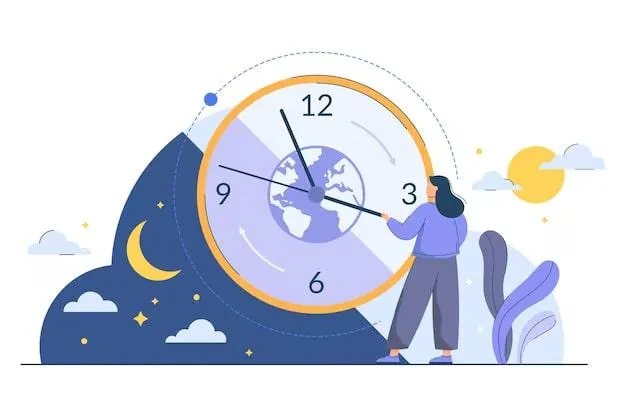
The circadian rhythm is a natural, internal process that regulates the sleep-wake cycle and repeats roughly every 24 hours. It is influenced by external cues like light and temperature, helping to synchronize bodily functions to the day-night cycle. This rhythm plays a critical role in regulating hormones that affect sleep and stress, such as melatonin and cortisol. Melatonin, often called the sleep hormone, is produced in response to darkness, helping to induce sleep. Conversely, cortisol, known as the stress hormone, peaks in the early morning to help wake us up and decreases throughout the day.
Light is a powerful cue in managing circadian rhythms. Exposure to natural light, especially in the morning, helps set the body’s internal clock and promote alertness. Conversely, exposure to artificial light, particularly blue light from screens, in the evening can suppress melatonin production and delay sleep onset. Maintaining a regular light-dark schedule is essential for supporting healthy sleep patterns and reducing stress levels, thereby enhancing overall well-being.
Understanding and managing your circadian rhythm can lead to better sleep, improved mood, and greater overall health.
The Science Behind Good Sleep
Sleep is crucial for your overall health and well-being. During sleep, your body repairs tissues, builds muscle, and consolidates memories. It is necessary for maintaining hormonal balance. Insufficient sleep disrupts hormonal functions, leading to issues like increased stress, appetite dysregulation, and impaired growth and repair processes .Without enough good quality sleep, you may experience decreased cognitive function, weakened immune response, and increased stress levels. Chronic sleep deprivation can lead to serious health issues such as heart disease, diabetes, and obesity.

Start waking up feeling refreshed and rejuvenated every morning.
By optimizing your sleep health, you'll experience a myriad of benefits, including:
Improved cognitive function and focus
Enhanced mood and emotional well-being
Strengthened Immune System
Reduced risk of chronic diseases such as diabetes and heart disease
Increased energy levels and productivity.
The Science
Behind Good Sleep
Sleep is crucial for your overall health and well-being. During sleep, your body repairs tissues, builds muscle, and consolidates memories. Without enough good quality sleep, you may experience decreased cognitive function, weakened immune response, and increased stress levels. Chronic sleep deprivation can lead to serious health issues such as heart disease, diabetes, and obesity.

Why Most Solutions
Don’t Work
Many over-the-counter sleep aids can disrupt your natural sleep cycles and leave you feeling groggy in the morning. They often contain chemicals that can be habit-forming and are not suitable for long-term use.
6 Strategies for Better Sleep
We recommend the following natural tips to help you achieve better sleep:

Avoid Screen Time Before Bed: Reduce your exposure to blue light from screens at least an hour before bedtime. Blue light can interfere with your body’s production of melatonin, a hormone that regulates sleep-wake cycles. By avoiding screens, you help your body prepare for sleep naturally.
Create a Relaxing Bedtime Routine: Establish a calming pre-sleep routine. This could include activities such as reading a book, taking a warm bath, or practicing gentle yoga or meditation. These activities signal to your body that it’s time to unwind and prepare for sleep.
Maintain a Consistent Sleep Schedule: Go to bed and wake up at the same time every day, even on weekends. Consistency reinforces your body’s natural sleep-wake cycle and can improve the quality of your sleep over time.
Optimize Your Sleep Environment: Make your bedroom a haven for sleep. Ensure it is cool, dark, and quiet. Use blackout curtains to block out light, and consider a white noise machine or earplugs if you’re sensitive to noise. A comfortable mattress and pillows also make a big difference.
Limit Caffeine and Heavy Meals: Avoid consuming caffeine in the afternoon and evening, as it can interfere with your ability to fall asleep. Similarly, try not to eat large meals right before bedtime. Heavy meals can cause discomfort and disrupt your sleep.
Consider a Nutritional Supplements: Enhance your sleep quality with a natural, doctor-recommended nutritional supplement. Ingredients such as melatonin, valerian root, chamomile extract, and L-theanine, are all known for their sleep-enhancing properties.
These simple, natural tips can make a significant difference in the quality of your sleep. By incorporating these habits into your nightly routine, you can create an environment that promotes restful, rejuvenating sleep.
Nutritional Supplements For Sleep
What to Look for When Choosing a Sleep Supplement
Nutritional Supplements
For Sleep
What to Look for When Choosing
a Sleep Supplement
These nutrients can help regulate your sleep cycle, promote relaxation, reduce the time it takes to fall asleep, and improve sleep quality, helping you wake up feeling refreshed.
Melatonin: Helps regulate your sleep-wake cycle, making it easier to fall asleep and stay asleep.
Saffron: Helps influence natural melatonin levels for improved sleep and mood benefits.
Magnesium: An essential mineral studied for its powerful calming and sleep benefits.

These ingredients help regulate your sleep cycle, promote relaxation, and reduce the time it takes to fall asleep, ensuring you wake up
feeling refreshed.
Melatonin: Helps regulate your sleep-wake cycle, making it easier to fall asleep and stay asleep.
Saffron: Helps influence natural melatonin levels for improved sleep and mood benefits.
Magnesium: An essential mineral studied for its powerful calming and sleep benefits.
Why Most Sleep Supplements Fall Short
Many over-the-counter sleep formulas promise results but often fall short due to poor quality, lack of standardization, and ineffective blends of ingredients. Moreover, inaccurate labels make it challenging for consumers to choose an effective formula, as they may not provide the true amounts or stability of active ingredients needed for a good night’s sleep.
Dr. Stephen Moore's
Recommended Supplements to help you sleep better
Science-Backed Formulas
Health Topics
DISCLAIMER: THIS WEBSITE DOES NOT PROVIDE MEDICAL ADVICE
The information, including but not limited to, text, graphics, images and other material contained on this website are for informational purposes only. No material on this site is intended to be a substitute for professional medical advice, diagnosis or treatment. Always seek the advice of your physician or other qualified health care provider with any questions you may have regarding a medical condition or treatment and before undertaking a new health care regimen, and never disregard professional medical advice or delay in seeking it because of something you have read on this website.
These statements have not been evaluated by the Food and Drug Administration. These products are not intended to diagnose, treat, cure, or prevent disease