
Digestive Health
The Importance of Your Microbiome
Digestive Health
Empowering Your
Journey to Gut Health
Are You Tired of Feeling Bloated, Sluggish, and Uncomfortable?
Poor digestive health can wreak havoc on your body, leaving you struggling with nutrient deficiencies, low energy, and constant gastrointestinal discomfort.
Your digestive system plays a crucial role in your overall well-being, and neglecting it can lead to chronic inflammation, mental health issues, and a host of other problems. Don’t let poor digestion control your life – below are steps you can take to restore your gut health and reclaim your vitality today.

Are You Tired of Feeling Bloated, Sluggish, and Uncomfortable?
Poor digestive health can wreak havoc on your body, leaving you struggling with nutrient deficiencies, low energy, and constant gastrointestinal discomfort. If you’re tired of battling bloating, irregular bowel movements, and a weakened immune system, it’s time to take action. Your digestive system plays a crucial role in your overall well-being, and neglecting it can lead to chronic inflammation, mental health issues, and a host of other problems. Don’t let poor digestion control your life – discover the steps you can take to restore your gut health and reclaim your vitality today.
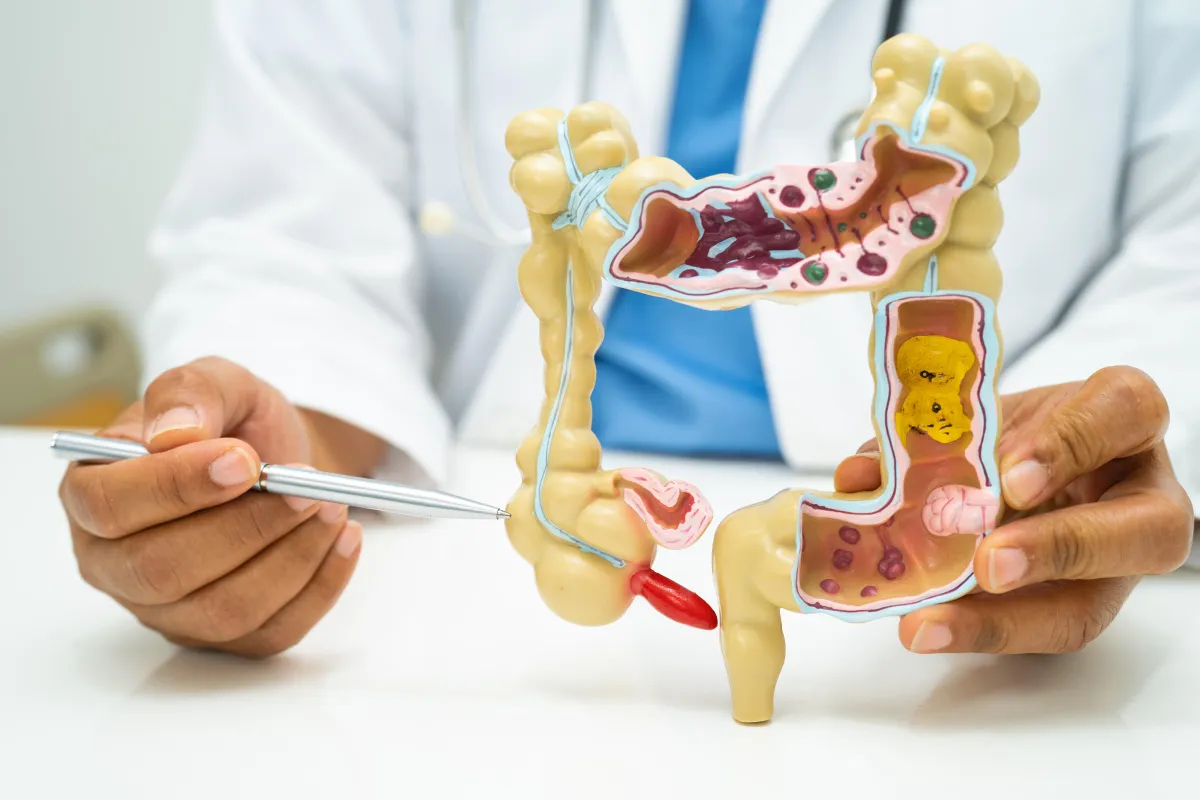
Your digestive system is more than just a means of processing food.
This system is a complex ecosystem with trillions of bacteria and enzymes that work together to break down food, absorb nutrients, and support immune function.
When it is functioning optimally, you feel energized, nourished, and balanced. However, imbalances in gut health can lead to a host of issues, including bloating, gas, constipation, inflammation, metabolic disorders, and even chronic diseases.
Your Digestive System
Is Crucial To Overall
Health and Wellbeing.
It ensures proper nutrient absorption, energy production, and waste elimination. Remarkably, about 80% of your immune system resides in your digestive tract, acting as a barrier against the outside world.
When your gut is healthy, it supports a robust immune system, better mental health, and protection against chronic diseases. Poor digestive health can lead to nutrient deficiencies, fatigue, and gastrointestinal issues.
Maintaining a balanced diet, staying hydrated, exercising regularly, and incorporating probiotics, prebiotics, and postbiotics are essential steps to support your digestive system and overall health.

Your digestive system is more than just a means of processing food.
This system is a complex ecosystem with trillions of bacteria and enzymes that work together to break down food, absorb nutrients, and support immune function.
When it is functioning optimally, you feel energized, nourished, and balanced. However, imbalances in gut health can lead to a host of issues, including bloating, gas, constipation, inflammation, metabolic disorders, and even chronic diseases.
Your Digestive System
Is Crucial To Overall
Health and Wellbeing.
Good digestive health is crucial for overall well-being, as it ensures proper nutrient absorption, energy production, and waste elimination. Remarkably, about 80% of your immune system resides in your digestive tract, acting as a barrier against the outside world. When your gut is healthy, it supports a robust immune system, better mental health, and protection against chronic diseases. Poor digestive health can lead to nutrient deficiencies, fatigue, and gastrointestinal issues. Maintaining a balanced diet, staying hydrated, exercising regularly, and incorporating probiotics, prebiotics, and postbiotics are essential steps to support your digestive system and overall health.
Avoid These 7 Health Issues
When your digestive health is not at its best the following can happen
Nutrient Deficiencies: A compromised digestive system struggles to absorb essential nutrients from the food you eat. This can lead to deficiencies in vitamins and minerals, impacting your energy levels, immune function, and overall health.
Fatigue and Low Energy: Without proper digestion, your body cannot effectively convert food into energy. This can leave you feeling tired, sluggish, and less able to handle daily activities.
Gastrointestinal Issues: Common problems such as bloating, gas, constipation, and diarrhea are often signs of poor digestive health. These issues can cause discomfort and disrupt your daily life.
Weakened Immune System: Since about 80% of your immune system resides in your digestive tract, poor gut health can weaken your body’s defense mechanisms, making you more susceptible to infections and illnesses.
Inflammation and Chronic Diseases: An unhealthy gut can lead to systemic inflammation, which is linked to various chronic conditions such as obesity, diabetes, and autoimmune diseases. Inflammation can also exacerbate symptoms of existing conditions, making them harder to manage.
Mental Health Impact: Emerging research shows a strong connection between gut health and mental health. Poor digestive health can contribute to mood swings, anxiety, and depression, affecting your overall quality of life.
Weight Management Issues: Inefficient digestion can affect your metabolism, making it harder to maintain a healthy weight. It can also lead to cravings and overeating, further complicating weight management.
To avoid these issues, it’s crucial to support your digestive health with a balanced diet, adequate hydration, regular exercise, and supplements like probiotics, prebiotics, and postbiotics. Taking proactive steps to maintain your gut health can lead to better overall health and improved quality of life.
8 Tips To Support Optimal Digestive Health
We recommend the following natural tips to help you achieve better digestion

Eat a High-Fiber Diet: Include plenty of fruits, vegetables, whole grains, and legumes in your meals to promote regular bowel movements and support a healthy gut.
Stay Hydrated: Drink plenty of water throughout the day to aid digestion and prevent constipation.
Eat Mindfully: Chew your food thoroughly and eat slowly to give your digestive system time to process and absorb nutrients effectively.
Exercise Regularly: Engage in regular physical activity to stimulate intestinal function and reduce the risk of digestive issues.
Avoid Processed Foods: Limit consumption of processed foods high in sugar and unhealthy fats, which can disrupt your gut health.
Manage Stress: Practice stress-reducing activities such as yoga, meditation, or deep breathing exercises, as stress can negatively impact your digestive system.
Get Enough Sleep: Ensure you get 7-9 hours of quality sleep each night to allow your digestive system to repair and function optimally.\
Supplements: Add Probiotics, Prebiotics, and Postbiotics. They work synergistically to enhance gut health.
Improving your digestive health is a powerful step towards enhancing your overall well-being. Don’t let poor digestion hold you back any longer. Start making these changes today and feel the difference in your energy, mood, and overall health.
Your journey to optimal digestive health begins now!
Nutritional Supplements For Digestive Health
What to Look for When Choosing Digestive Supplements

Pro-biotics: Restore balance by introducing beneficial bacteria to maintain a healthy gut microbiome, enhance digestion by aiding in breaking down food and absorbing nutrients efficiently, and boost immunity by strengthening the immune system through supporting gut health.
Pre-biotics: Provide essential nutrients that feed and promote the growth of beneficial bacteria in the gut, enhance the gut environment for beneficial bacteria to thrive, and help in the digestion of fibers and overall digestive function.
Post-biotics: Improve the integrity of the gut lining, reducing leaky gut syndrome, provide anti-inflammatory properties that support overall gut health, and promote a healthy immune response through beneficial bacterial byproducts.
Anthocyanins: Protect the gut from oxidative stress and damage, promote a healthy balance of gut bacteria and improve the gut environment, and help reduce inflammation, supporting overall digestive health.
Why Most Digestive Supplements Fall Short
Many probiotics on the market do not work effectively due to several factors. One significant issue is the survivability of the probiotic strains. Probiotics need to survive the acidic environment of the stomach to reach the intestines, where they exert their beneficial effects. Unfortunately, many products do not ensure their strains can withstand this harsh environment. Additionally, probiotics need to be taken in adequate amounts to be effective, but some products contain insufficient doses of active bacteria.
Consumers should not be fooled by the number of bacteria or the number of strains listed on probiotic labels. While having a high number of bacteria and multiple strains might seem beneficial, it is more important to focus on the quality and viability of the strains rather than the quantity. A probiotic with fewer but well-researched and effective strains can be far more beneficial than one boasting numerous strains that do not survive the digestive process or are not supported by scientific evidence . Additionally, the stability of the probiotic strains is crucial; if the product is not stored correctly or is past its expiration date, the live bacteria may die, rendering the supplement ineffective .
Ready to prioritize your digestive health?
Dr. Stephen Moore's
Recommended Supplements to support immune function
Science-Backed Formulas
Health Topics
DISCLAIMER: THIS WEBSITE DOES NOT PROVIDE MEDICAL ADVICE
The information, including but not limited to, text, graphics, images and other material contained on this website are for informational purposes only. No material on this site is intended to be a substitute for professional medical advice, diagnosis or treatment. Always seek the advice of your physician or other qualified health care provider with any questions you may have regarding a medical condition or treatment and before undertaking a new health care regimen, and never disregard professional medical advice or delay in seeking it because of something you have read on this website.
These statements have not been evaluated by the Food and Drug Administration. This products is not intended to diagnose, treat, cure, or prevent disease