
Optimize Your Mobility:
Enhance Bone and Joint Health
Empower Your Journey to Stronger Bones and Joints
Optimize Your Mobility:
Enhance Bone
& Joint Health
Empowering Your Journey
to Stronger Bones and Joints
Optimize Your Mobility:
Enhance Bone and Joint Health
Empowering Your Journey to Stronger Bones and Joints

Strength & Mobility
Drive Longevity
Whether you're an athlete pushing your limits or someone looking to maintain an active lifestyle, preserving the health of your bones and joints is essential for mobility and overall well-being.
Are You at Risk?
Silent Saboteur: Adults Lose Up to 5% of Bone Mass Every Year
The rate of bone loss in humans can vary based on several factors, including age, gender, diet, physical activity, and overall health.
Young Adults: Bone density tends to peak in the late 20s to early 30s. After reaching peak bone mass, there is usually a period of stability before bone loss begins.
Middle Age: Starting around age 40, adults may begin to lose about 0.5% to 1% of their bone mass per year.
Postmenopausal Women: Women can lose bone mass more rapidly in the first few years after menopause, up to 2% to 5% per year, due to decreased estrogen levels.
Older Adults: Both men and women can experience an accelerated rate of bone loss as they age, with women potentially losing bone mass at a faster rate than men.
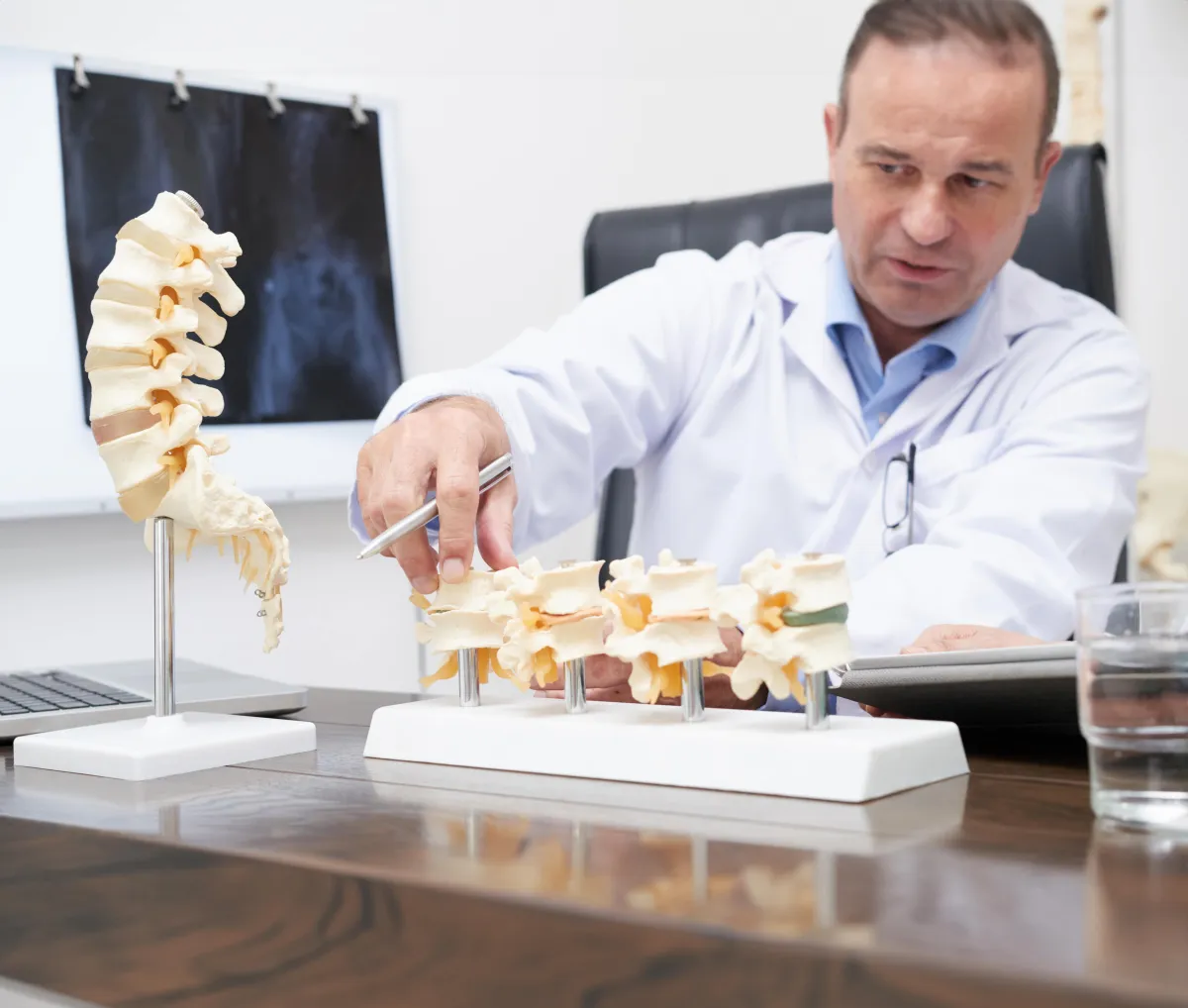
These rates are averages, and individual experiences may vary. It’s important to maintain a healthy lifestyle with adequate calcium and vitamin D intake, regular weight-bearing exercise, and avoidance of smoking and excessive alcohol consumption to support bone health.
Benefits of Bone and Joint Health
Understanding Bone & Joint Health
Strong bones and flexible joints are the foundation of movement and mobility.
As we age or engage in high-impact activities, our bone density and joint integrity may decline, increasing the risk of fractures, osteoporosis, and other musculoskeletal conditions.
By prioritizing bone and joint health, you can maintain your independence and quality of life for years to come.
Understanding Bone & Joint Health
Strong bones and flexible joints are the foundation of movement and mobility.
As we age or engage in high-impact activities, our bone density and joint integrity may decline, increasing the risk of fractures, osteoporosis, and other musculoskeletal conditions.
By prioritizing bone and joint health, you can maintain your independence and quality of life for years to come.

Focusing on your bone
and joint health
Maintains strong bones and flexible joints to support an active lifestyle
Reduces the risk of fractures, osteoporosis, and other musculoskeletal conditions
Identifies areas for lifestyle modifications to support bone and joint health
Are You at Risk?
Silent Saboteur: Adults Lose Up to 5% of Bone Mass Annually
The rate of bone loss in humans can vary based on several factors, including age, gender, diet, physical activity, and overall health.
Young Adults: Bone density tends to peak in the late 20s to early 30s. After reaching peak bone mass, there is usually a period of stability before bone loss begins.
Middle Age: Starting around age 40, adults may begin to lose about 0.5% to 1% of their bone mass per year.
Postmenopausal Women: Women can lose bone mass more rapidly in the first few years after menopause, up to 2% to 5% per year, due to decreased estrogen levels.
Older Adults: Both men and women can experience an accelerated rate of bone loss as they age, with women potentially losing bone mass at a faster rate than men.
These rates are averages, and individual experiences may vary. It’s important to maintain a healthy lifestyle with adequate calcium and vitamin D intake, regular weight-bearing exercise, and avoidance of smoking and excessive alcohol consumption to support bone health.
8 Tips To Improve Joint
and Bone Health
Engage in weight-bearing exercises like walking, jogging, and dancing to strengthen bones.
Practice resistance training to build muscle mass and support joint health.
Ensure a balanced diet rich in calcium and vitamin D from foods like dairy, leafy greens, and fish.
Maintain a healthy weight to reduce stress on your joints and prevent wear and tear.
Stay hydrated to keep your joints lubricated and reduce the risk of injury.
Incorporate stretching and flexibility exercises into your routine to maintain joint mobility and prevent stiffness.
Avoid smoking and limit alcohol consumption, as both can negatively impact bone density and joint health.
Nutritional supplements provide vital vitamins and minerals that may be lacking in your diet, ensuring your bones receive the necessary nutrients to maintain density and strength, thereby reducing the risk of fractures and osteoporosis.
How Nutritional Supplements Can Help Combat Bone Loss:
What to Look for When Choosing Supplements
Fortify your bones with these nutrients to help prevent bone loss
Calcium: Essential for maintaining bone density and strength; supplements can help meet daily requirements if dietary intake is insufficient.
Vitamin D: Enhances calcium absorption and bone mineralization; supplements can be crucial for individuals with limited sun exposure.
Magnesium: Supports bone structure and calcium metabolism; supplements ensure adequate levels for optimal bone health.
Vitamin K2: Plays a critical role in bone formation and mineralization; supplements can aid those with dietary deficiencies. K2 is more active than vitamin K1 in maintaining bone health.
Trace Minerals: Zinc, Copper, Manganese, and Boron help build a stronger bone matrix.
Omega-3 Fatty Acids: Anti-inflammatory properties support overall bone health; supplements can help reduce bone loss.
Collagen: Provides the building blocks for bone tissue; supplements can improve bone density and reduce fracture risk.
Multivitamins: Look for formulas that have a balanced intake of essential bone nutrients at efficacious doses to collectively support bone health and help prevent deficiencies.
How Nutritional Supplements Can Help Combat Bone Loss:
Fortify Your Bones and Prevent Bone Loss

Calcium: Essential for maintaining bone density and strength; supplements can help meet daily requirements if dietary intake is insufficient.
Vitamin D: Enhances calcium absorption and bone mineralization; supplements can be crucial for individuals with limited sun exposure.
Magnesium: Supports bone structure and calcium metabolism; supplements ensure adequate levels for optimal bone health.
Vitamin K: Plays a critical role in bone formation and mineralization; supplements can aid those with dietary deficiencies.
Omega-3 Fatty Acids: Anti-inflammatory properties support overall bone health; supplements can help reduce bone loss.
Collagen: Provides the building blocks for bone tissue; supplements can improve bone density and reduce fracture risk.
Multivitamins: Ensure a balanced intake of essential nutrients that collectively support bone health and prevent deficiencies.
Why Most Supplements Fall Short
Why Most Supplements
Fall Short
Many over-the-counter formulas promise results but often fall short due to poor quality, lack of standardization, and ineffective blends of ingredients. Moreover, inaccurate labels make it challenging for consumers to choose effective formulas, as they may not provide the true amounts or stability of active ingredients needed.
Recommended Supplements to
Support Bones and Joints
Science-Backed Formulas
Health Topics
DISCLAIMER: THIS WEBSITE DOES NOT PROVIDE MEDICAL ADVICE
The information, including but not limited to, text, graphics, images and other material contained on this website are for informational purposes only. No material on this site is intended to be a substitute for professional medical advice, diagnosis or treatment. Always seek the advice of your physician or other qualified health care provider with any questions you may have regarding a medical condition or treatment and before undertaking a new health care regimen, and never disregard professional medical advice or delay in seeking it because of something you have read on this website.
These statements have not been evaluated by the Food and Drug Administration. This products is not intended to diagnose, treat, cure, or prevent disease